

Introduction
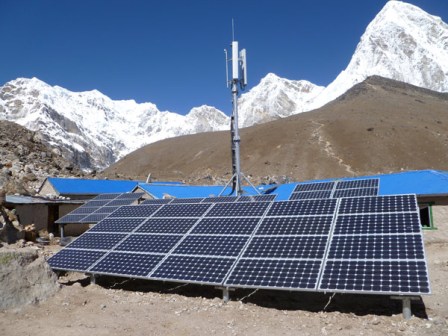
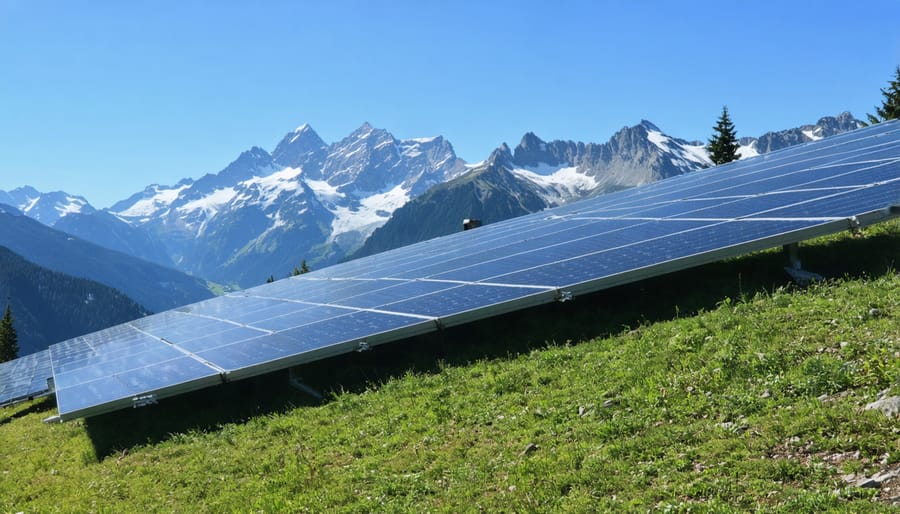
Installing solar panels in Uttarakhand’s Himalayan terrain demands specialized expertise that goes far beyond flatland projects. Steep slopes, extreme weather, seismic activity, and remote access create unique engineering challenges—but also showcase remarkable innovation. This post reveals the technical hurdles installers face, proven solutions that work, and inspiring success stories from Uttarakhand’s mountain communities now thriving on clean solar power.
Himalayan Terrain: The Installation Challenge
1. Steep Roof Angles & Limited Space
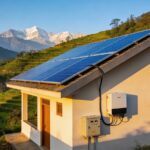
Challenge: Traditional south-facing flat roofs don’t exist in the hills. Homes have steep slate roofs with irregular shapes and limited surface area.
Solution: Custom racking systems with adjustable tilt angles (25-35°) maximize solar capture despite suboptimal orientations. Micro-mounting brackets grip slate tiles without penetration.
2. High-Altitude Wind Loads
Challenge: Gusts exceeding 150 km/h at 8,000+ feet threaten panel stability.
Solution: Aerodynamic panel designs and reinforced aluminum mounting systems rated for 2400 Pa wind loads. Strategic placement in wind shadows behind ridges.
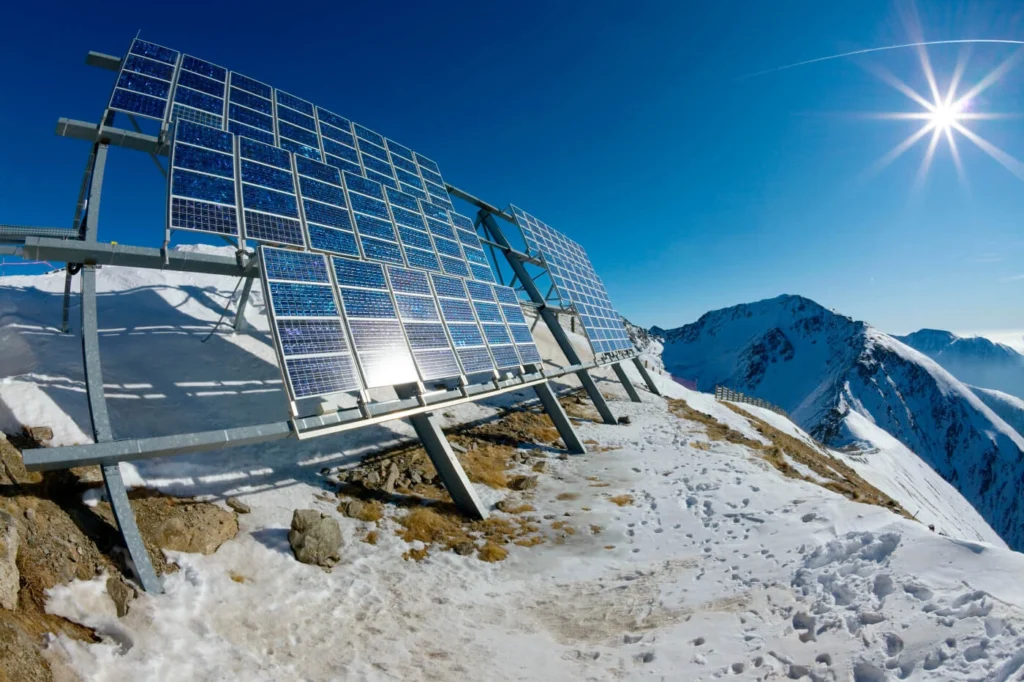
3. Snow Accumulation & Sub-Zero Temperatures
Challenge: Heavy winter snowfall and temperatures dropping to -15°C reduce output and risk ice damage.
Solution:
- 30° tilt angles shed snow naturally
- Heated panel edges prevent ice buildup
- Cold-weather optimized panels gain 10-15% efficiency in sub-zero conditions
4. Seismic Activity & Landslides
Challenge: Frequent earthquakes (Zone IV/V) demand flexible mounting.
Solution: Base-isolated racking systems with flexible struts absorb shocks. Geo-textile anchoring prevents landslide-related failures.
Technical Innovations for Mountain Solar
Custom Roof Integration
Himalayan installers design slate-compatible clamps that grip without drilling. Ballasted systems use local stone for stability on flat terrace additions.
Lightning Protection Systems
High-altitude installations face 3x greater lightning risk. Active surge protection and elevated grounding rods safeguard electronics.
Hybrid Microgrids
Remote villages combine solar with micro-hydro, creating resilient hybrid systems immune to individual failures.
Step-by-Step Himalayan Installation Process
1. SITE ASSESSMENT (2-3 days)
   - Drone thermal imaging maps shading patterns
   - Wind speed analysis via local weather stations
   - Seismic zone verification

2. CUSTOM ENGINEERING (1 week)
   - 3D roof modeling for racking design
   - Load calculations for snow/wind/seismic
   - Material selection for -20°C to 50°C range

3. TRANSPORT & LOGISTICS
   - Mule trains for final mile delivery
   - Helicopter drops for extreme locations
   - Pre-assembled racking reduces on-site work

4. INSTALLATION (2-4 days)
   - Specialized climbing gear and safety harnesses
   - Local labor trained in alpine installation
   - Real-time performance monitoring setup
Success Stories: Himalayan Solar Triumphs
Mana Village (8,900 ft) – India’s Last Village
Challenge: Only accessible 6 months/year, extreme weather
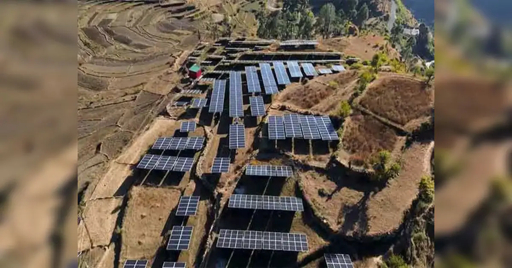
Solution: 25 kW hybrid solar-hydro microgrid
Result: 100% renewable power for 120 households, schools, health center
Chopta (9,700 ft) – Mini Switzerland of Uttarakhand
Challenge: Heavy tourist traffic, seasonal demand spikes
Solution: 50 kW ground-mount array with battery backup
Result: Zero diesel generator use, 40% tourism revenue reinvested
Nelong Valley (11,600 ft) – Border Outpost
Challenge: Military installation, extreme conditions
Solution: 15 kW portable solar shelters
Result: Complete energy independence, disaster-resilient
Pindari Glacier Base Camp (14,100 ft)
Challenge: World’s highest research station
Solution: Lightweight flexible panels, drone delivery
Result: Continuous glacier monitoring without fuel logistics
Technical Specifications for Himalayan Solar
| Parameter | Himalayan Standard | Why Critical |
|---|---|---|
| Wind Load | 2400 Pa(Pascal) | Survives 180 km/h gusts |
| Snow Load | 5400 Pa(Pascal) | Handles 1.5m accumulation |
| Temperature Range | -25°C to 55°C | Full seasonal coverage |
| Hail Rating | 25mm @ 23 m/s | Protects against mountain hail |
| Seismic Rating | Zone V | Earthquake survival |
Economic Impact & Community Benefits
Local Employment Creation
- 85% local labor in installations
- Women-led maintenance cooperatives
- Technical training institutes in Dehradun
Tourism Revenue Cycle
Solar-powered homestays attract eco-tourists
Increased stays = more local income
Reinvestment creates larger systems
Disaster Resilience
Solar microgrids restore power within hours post-earthquake
No fuel dependency during road blockages
Government Support for Mountain Solar
PM Surya Ghar: Additional subsidies for high-altitude installations
UREDA Himalayan Program: Free technical assessments
Green Climate Fund: Low-interest loans for remote projects
Future: Next-Gen Himalayan Solar
- Flexible panels for curved surfaces
- Building-integrated photovoltaics (slate-like appearance)
- AI-optimized tracking for winter sun angles
- Hydrogen storage for seasonal energy
Conclusion
Solar installation in Uttarakhand’s Himalayas transforms engineering challenges into showcases of human ingenuity. From drone-delivered panels at 14,000 feet to snow-shedding rooftops serving remote villages, these projects prove clean energy knows no altitude limit.
The success stories—from Mana’s energy independence to Nelong’s border security—demonstrate solar’s dual role as economic catalyst and environmental steward. For Himalayan communities, solar isn’t just power; it’s progress.
Sources: UREDA Himalayan Solar Guidelines, MNRE High-Altitude Specifications, PM Surya Ghar Remote Area Directives
Note: Hilly terrain & weather variability can significantly extend Himalayan solar installation timelines.